“The morning is not where the day begins. It is where the day is decided.”
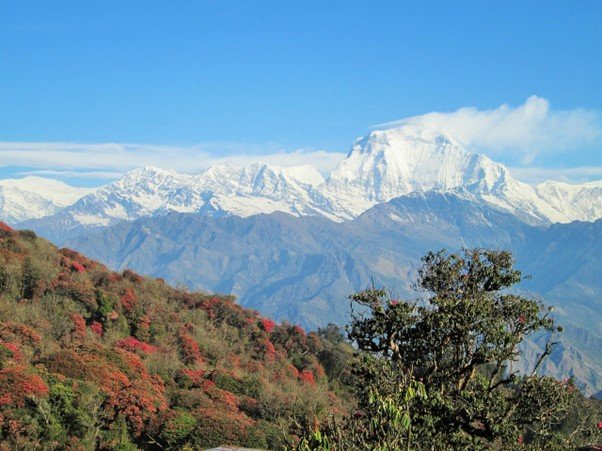
In the Eastern Himalayas — in the tea gardens of Darjeeling, the pine forests of Kalimpong, the misty ridges above 3,000 feet — the morning has a particular quality. Not quiet exactly, but deliberate. The birds are loud. The light comes slowly. And before anything else, there is fragrance: pine resin warming in the early sun, wood smoke from the first fire, the earthy cool of damp mountain air.
This guide is about bringing that quality of morning into your home — wherever your home is. Not through imitation, but through intention. Through the Himalayan morning ritual: a practice built around fragrance, warmth, and the radical act of beginning your day before your day begins you.
Why the First Hour Is the Most Important Hour
Most mornings in India begin reactively. The alarm goes off and within minutes the phone is in hand — notifications, news, messages from the previous night all flooding in before the first cup of chai has been made. The day does not begin. It is downloaded.
The people who report the highest levels of daily calm, focus, and satisfaction are not the ones who work harder or sleep less. Research consistently shows that a structured, screen-free morning window — even as short as twenty minutes — measurably reduces cortisol, improves emotional regulation throughout the day, and increases the subjective sense of being in control of one’s time.
The Himalayan morning ritual is not a productivity hack. It is not a biohacking protocol. It is simply a recognition that the first moments of the day are too valuable to give away — to notifications, to noise, to the default settings of a reactive life.
The Himalayan Morning Ritual — Step by Step
The ritual has five elements. Each is optional — the power is in the combination, but even one or two practised consistently is enough to shift the character of your morning.

Step 1 — Pine Incense: Clearing the Space Before the Day Enters
The first act of the Himalayan morning ritual is not meditation, not journalling, not exercise. It is fragrance. Specifically, it is pine — the scent of high-altitude cedar forests at first light, cold and resinous and alive in a way that nothing synthetic can replicate.
Pine is chosen for this moment because of what it does to the nervous system before the mind catches up. The crisp, resinous quality of mountain pine is simultaneously clarifying and grounding — it does not energise in the way coffee does, but it clears. It removes the residual heaviness of sleep, the stickiness of dreams, the ambient fog that most people carry into their morning without realising it.
In Ayurvedic terms, pine works on the vata-kapha balance of early morning — cutting through the heaviness of kapha (the earth and water energy dominant at dawn) without aggravating vata (the airy, anxious energy that too much stimulation creates). In plain terms: it wakes you up gently, without the spike.
Light the pine stick before you enter the space where you intend to sit. Place the holder and leave the room for two minutes — allow the fragrance to arrive and settle before you do. When you return, the quality of the air will already be different.
Sit — on a chair, on the floor, wherever is natural. Do not try to meditate yet. Simply be in the fragrance. Notice it. Follow the thin thread of smoke with your eyes. Let the pine do the work of clearing. This takes five minutes. It changes the entire morning.
Step 2 — Sandalwood: The Meditation Companion
Once the pine has cleared the space — once the morning fog has lifted and the body has arrived in the present moment — sandalwood takes over. This is the oldest meditation fragrance in India, used in temples, gurukuls, and homes for over four thousand years. There is a reason it has endured longer than almost any other aromatic practice in human history: nothing grounds the wandering mind more effectively during sitting practice than the warm, creamy, timeless presence of true sandalwood.
Where pine clears, sandalwood settles. Where pine opens, sandalwood holds. The transition between the two — a few minutes apart in the same morning — creates a layered fragrance experience that mirrors the movement from waking to stillness, from clearing to grounding, from the residue of sleep to the clarity of presence.
- 1Light the sandalwood stick after your pine has been burning for 5 minutes. The transition between the two fragrances is itself a ritual moment — a signal that the clearing phase is complete and the settling phase begins.
- 2Sit in your chosen position. No particular posture is required — the most important thing is stillness and the absence of a screen.
- 3Let the sandalwood be your timer. When the stick finishes burning, your session is complete. No app, no alarm, no notification required.
- 4If thoughts arise during practice — and they will — use the fragrance as a return point. When the mind wanders, notice the sandalwood. The scent brings you back more gently than any instruction can.
Step 3 — The Morning Drink: Warmth After Stillness
The third element of the Himalayan morning ritual is the first thing most people do before anything else — but here, crucially, it comes after the fragrance and the stillness. Not as the centrepiece of the morning, but as its reward. The cup of Darjeeling tea or Himalayan cold brew coffee that follows twenty minutes of incense and quiet is not the same drink it would be if consumed in front of a phone. It tastes different. It feels different. Because you do.
Saakya’s Darjeeling tea — shade-grown at high altitude in the Eastern Himalayas — has natural tasting notes of muscatel, light florals, and stone fruit. These are the characteristics of slow-grown, carefully processed tea that is best appreciated in a state of quiet. A morning ritual makes this possible. You actually taste the tea rather than consuming it on autopilot.
In summer, Saakya’s Himalayan cold brew coffee — 100% Arabica, naturally sweet and low in acidity — works equally well. Prepared the night before, it is ready to pour over ice the moment the meditation ends. The smoothness of cold brew matches the quality of stillness that precedes it.
This is the synergy of the Himalayan morning ritual: each element enhances the others. The incense prepares the senses. The stillness sharpens them. The tea or coffee, received in that sharpened state, is simply better.

The Most Common Obstacles — And How to Move Past Them
The Himalayan morning ritual sounds simple. And it is — in theory. In practice, three obstacles arise for almost everyone who tries to build a morning practice. Here is how to move past each one.
Why Himalayan Matters — The Origin Behind the Ritual
The Himalayan morning ritual is not a borrowed concept or a rebranded wellness trend. It is rooted in the specific botanical and cultural richness of India’s Eastern Himalayan region — the same mountains that produce some of the world’s finest teas, the most prized aromatic woods, and a tradition of daily ritual practice that predates modern wellness culture by thousands of years.
When Saakya sources pine, sandalwood, clove, and oud from the Eastern Himalayas, the altitude is not marketing language. Plants grown above 3,000 feet accumulate significantly higher concentrations of essential oils and aromatic compounds than lowland equivalents — a physiological adaptation to UV radiation and temperature extremes. The fragrance of Himalayan pine is not the same fragrance as lowland pine. The difference is felt in the body before it is registered by the mind.
This is what the Himalayan morning ritual is built on: the genuine, traceable quality of ingredients from a specific place, used in a specific way, for a specific purpose. Not wellness theatre. Not aesthetic lifestyle content. A real practice, made from real materials, that produces real results when done consistently.
Frequently Asked Questions About the Himalayan Morning Ritual

Begin Tomorrow Morning
Pine to clear. Sandalwood to ground. Darjeeling tea to complete. The Himalayan morning ritual — 15 minutes, one practice, one different day.
A Final Word — On Beginning Again
The Himalayan morning ritual does not ask for perfection. It does not ask for an hour of silent meditation, a perfectly clean home, or the discipline of a monk. It asks only for this: that tomorrow morning, before the first notification, before the first demand, before the day takes over — you light one stick of incense, sit with it for five minutes, and remember that the morning belongs to you.
Some mornings you will manage the full practice. Some mornings you will manage only the incense. Some mornings — the rushed ones, the difficult ones, the ones where the alarm was ignored and the day began before you were ready — you will manage nothing at all. That is fine. The ritual is not broken by the days it is missed. It is built by the days it is kept.
Begin tomorrow morning. The pine will do the rest.
The Himalayan morning ritual — for India’s most intentional days.