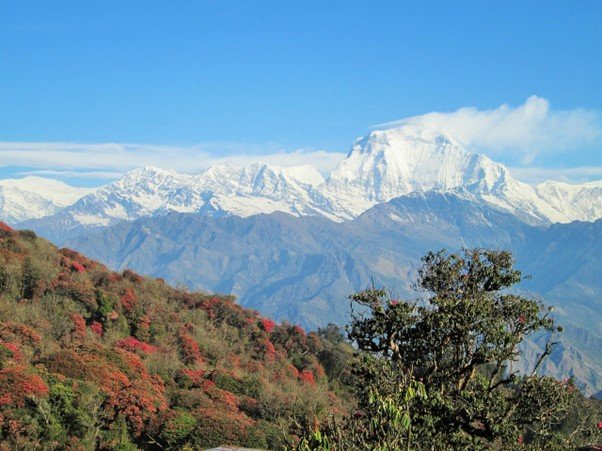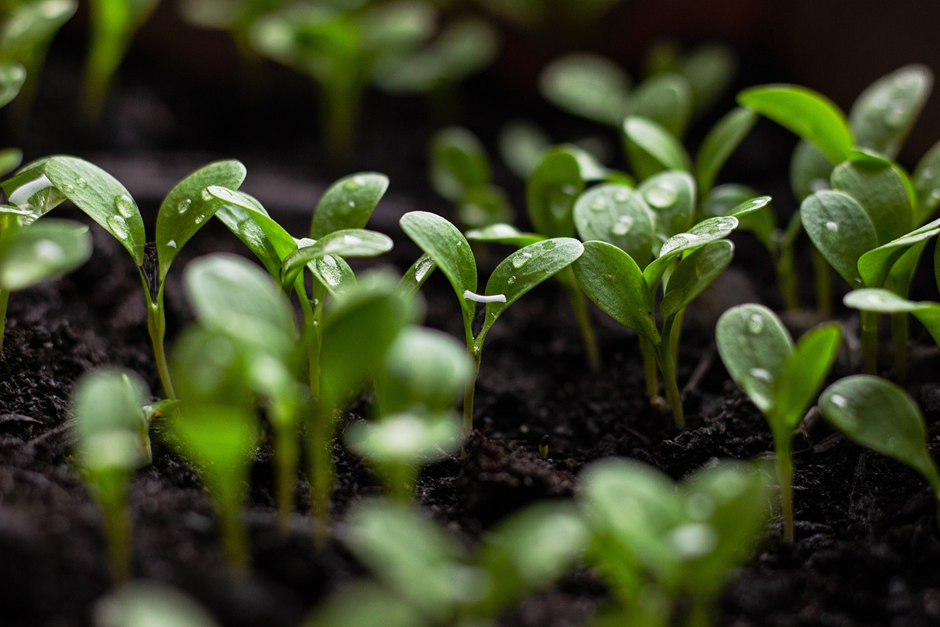
Every spring, before the monsoon touches the hills, something extraordinary happens in Darjeeling. The tea bushes — rested through winter, charged by the first rains — push out the year’s most delicate leaves. This is the first flush. And whether you’re a casual chai drinker or a seasoned connoisseur, understanding the difference between first and second flush can change the way you experience tea forever.
What makes Darjeeling First Flush Tea unique?
Darjeeling first flush tea is often called the champagne of teas — and not just poetically. It is the only tea in the world to carry a Geographical Indication (GI) tag, meaning that only tea grown within the designated estates of the Darjeeling district in West Bengal can legally carry the name. The cool mountain climate, altitudes ranging from 2,000 to 7,000 feet, and the mineral-rich Himalayan soil create conditions no other region on earth can replicate.
The result is a tea with a flavour unlike any other: light, floral, muscatel, and complex — often with notes of fruit, flowers, or even honey, depending on when it was picked.
The Darjeeling GI Tag — Why It Matters
Darjeeling tea is one of the most protected agricultural products in the world. Recognised by the Tea Board of India, the GI tag ensures that only tea grown within the 87 certified estates of the Darjeeling district can legally carry the name. This protection exists because counterfeit and blended “Darjeeling-style” teas flood the market globally — in fact, studies suggest that the volume of tea sold as Darjeeling worldwide is several times higher than what the region actually produces.
To learn more about what makes a tea genuinely GI-certified, you can visit the official Tea Board of India website.
What is Darjeeling First Flush Tea?
The Darjeeling first flush tea is the year’s earliest harvest, typically occurring between mid-March and mid-April. After a long winter dormancy, the tea bushes burst into growth with the first warmth and light rains. The leaves that emerge at this moment are young, tender, and full of volatile aromatic compounds that give first flush tea its distinctive character.
Flavour profile of first flush tea
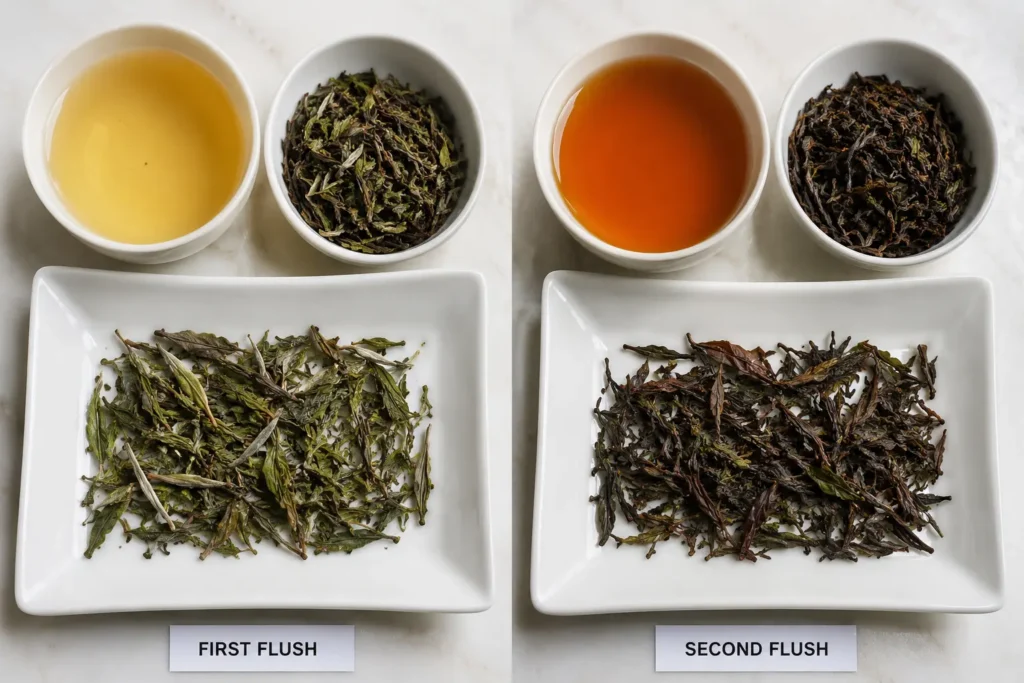
- Colour in cup: pale gold to light amber
- Taste: delicate, floral, fresh — often vegetal or grassy
- Aroma: bright, spring-like, sometimes citrusy
- Body: light — this is not a heavy, malty cup
- Caffeine: moderate
Darjeeling First flush tea is best drunk without milk or sugar. It’s a connoisseur’s tea — meant to be sipped slowly, appreciated like a fine wine. If you’re new to Darjeeling first flush tea and expecting a strong, robust cup, first flush may surprise you with its gentleness. That gentleness is precisely the point.
What is Second Flush Darjeeling tea?
The second flush arrives in May and June, after the spring leaves have been harvested and the bushes have had time to mature again. The summer sun and slightly warmer temperatures drive a richer, more concentrated development of flavour compounds in the leaves. This is when the legendary muscatel character emerges.
Flavour profile of second flush tea
- Colour in cup: rich amber to deep copper
- Taste: full-bodied, sweet, with muscatel (grape-like) notes
- Aroma: warm, fruity, spiced — sometimes with a honey finish
- Body: medium to full — satisfying and lingering
- Caffeine: moderate to high
Second flush Darjeeling tea is the choice for those who want depth with refinement — more character than first flush, but none of the heaviness of an Assam. It can take a small drop of milk, though purists prefer it plain. Many tea connoisseurs consider second flush the best Darjeeling tea you can buy — it’s the flush most associated with the muscatel flavour Darjeeling is globally famous for.
Darjeeling First flush tea vs Second flush: Which should you choose?
A simple guide based on what you’re looking for:
- You want something light, delicate, and spring-like → choose first flush
- You want depth, richness, and the famous muscatel character → choose second flush
- You drink your tea without milk and want a meditative cup → first flush
- You want a tea that pairs well with breakfast or an afternoon snack → second flush
You’re new to Darjeeling tea and want to explore both → start with second flush, then graduate to first
How to brew the perfect cup of Darjeeling tea
Brewing Darjeeling first flush tea or second flush tea correctly makes an enormous difference to what ends up in your cup. Unlike Indian masala chai, Darjeeling teas are never boiled — they are steeped at precise temperatures.
- Water temperature: 85–90°C for first flush; 90–95°C for second flush. Never use boiling water — it destroys the delicate aromatic compounds.
- Quantity: 2–2.5g of loose leaf tea per 200ml of water (roughly one teaspoon)
- Steeping time: 2–3 minutes for first flush; 3–4 minutes for second flush
- Vessel: a glass teapot or infuser lets you watch the liquor develop — part of the pleasure
- Milk and sugar: ideally, neither. Let the tea speak for itself first.
What about Rhododendron green tea? Saakya’s rare Himalayan brew
If you’re already curious about unusual teas from the Himalayas, there’s one more to know about. Saakya’s Rhododendron Green Tea is made from wild rhododendron flowers harvested in the high-altitude forests of the Himalayas — an entirely different category from Darjeeling tea, but sharing the same mountain terroir.
Rhododendron green tea is naturally caffeine-free, rich in antioxidants, and carries a floral, slightly tart flavour entirely its own. It’s particularly popular as an evening tea for those who want the ritual without the caffeine. Shop Saakya’s Rhododendron Green TeaWild-harvested Himalayan rhododendron, 50g — small batch and naturally caffeine-free. Free shipping above ₹799. Buy now →
Where to buy authentic Darjeeling tea online in India
only tea from the 87 certified estates in the Darjeeling district is legally “Darjeeling tea” — yet the market is full of blends and mislabelled products. When buying, look for:
- Clear estate origin or region (not just “Darjeeling first flush tea”)
- Harvest flush noted on the packaging
- Small-batch production — larger volumes compromise freshness
- Sustainable sourcing with direct artisan or farmer relationships
Saakya sources directly from the Himalayan region, working with small-batch producers and artisans committed to traditional methods. Every product is handcrafted, organic, and made in small quantities to preserve quality and freshness.
Frequently asked questions about Darjeeling tea
- What is the difference between Darjeeling first flush tea and second flush tea?
Darjeeling First flush tea is harvested in March–April and is light, floral, and delicate with a pale golden liquor. Second flush is harvested in May–June and is richer, fuller-bodied, and carries the famous muscatel flavour with a deep amber colour.
- Why is Darjeeling tea called the champagne of teas?
Darjeeling tea earned this title because of its unique terroir — the high-altitude Himalayan climate, specific soil, and mountain mist create flavour compounds found nowhere else, just as the Champagne region of France produces wines unique to that geography. It is also the only tea with a GI (Geographical Indication) tag.
- Should I add milk to Darjeeling tea?
Ideally, no. Darjeeling tea is a single-origin, aromatic tea best enjoyed without milk or sugar, which can mask its delicate floral and muscatel notes. If you prefer milk in your tea, second flush handles it better than first flush.
- What temperature should I use to brew Darjeeling tea?
Use 85–90°C for first flush and 90–95°C for second flush. Boiling water (100°C) damages the delicate aromatic compounds and makes the tea bitter.
- Where can I buy authentic Darjeeling tea online in India?
Saakya (saakya.co.in) offers authentic small-batch Himalayan teas including Rhododendron Green Tea sourced directly from Himalayan artisans. Free shipping on orders above ₹799.